

Ever finish a long day on your phone or laptop with tired eyes and wonder if your glasses could help? Choosing between blue light glasses and anti-glare glasses can be confusing because both are often discussed as eyewear for screen use.
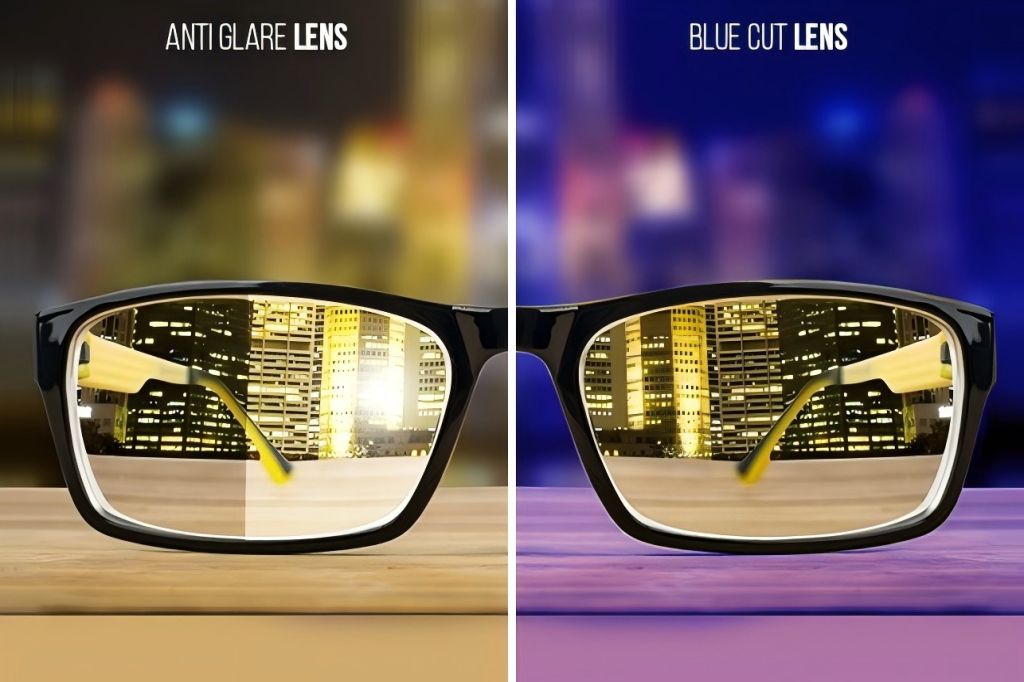
However, these glasses serve different purposes. Blue light glasses are designed to filter some blue light, while anti-glare glasses help reduce reflections from light bouncing off lenses. Understanding this difference can help you choose eyewear that suits your daily routine.
Before spending money on a new pair, consider what bothers you most when using screens. Is it distracting light, reflections, or discomfort after long periods of work? Your answer can help you decide which type of lens feature is worth considering.
Let's look at how each option works, what it may help with, and what to check before choosing glasses for everyday use in Pakistan.
Blue light glasses are designed to filter some blue light that reaches your eyes. Blue light comes from natural sources, such as sunlight, as well as digital screens, including mobile phones, computers, tablets, and televisions.
People often consider these glasses when they spend long hours using digital devices. However, filtering blue light does not automatically prevent eye strain or guarantee better sleep. Your screen habits, lighting, and overall eye health also matter.
Anti-glare glasses usually refer to glasses with an anti-reflective coating that reduces reflections from the lens surfaces. These reflections can come from room lights, windows, headlights, and other bright sources around you.
By reducing reflections, anti-glare lenses can make it easier to see through your glasses in certain lighting conditions. They may also make reflections on the lenses less noticeable to other people, which can be useful during video calls or everyday conversations.
The main difference is what each lens feature is designed to do. Blue light glasses focus on filtering some blue light, while anti-glare glasses reduce reflections from the lens surfaces. Neither feature should be treated as a guaranteed cure for screen-related discomfort.
Some eyewear may combine both features, depending on the lens options available. If you are comparing glasses, check what each lens coating or filter actually offers instead of assuming that blue light filtering and anti-reflective treatment mean the same thing.
The right choice depends on the problem you want to address. If reflections from overhead lights or windows distract you while working, an anti-reflective coating may be worth considering. If you are interested in filtering blue light, review the available evidence and lens details before buying.
For example, someone working on a laptop near bright office lights may find reflections more distracting than screen light itself. Someone using a phone late at night may benefit more from adjusting screen brightness and bedtime habits than relying on blue light glasses alone.
Anti-glare glasses can be useful when reflections make it harder to see clearly through your lenses. An anti-reflective coating reduces these reflections, which may be especially helpful around bright indoor lights or while driving at night.
The benefits depend on your surroundings and the type of visual discomfort you experience. If reflections are your main concern, this coating may be more relevant than a blue light filter. However, persistent eye discomfort may need a different approach.
Many people buy blue light glasses because their eyes feel tired after using a computer or phone. However, current evidence does not show that blue-light filtering lenses reliably reduce digital eye strain. A reached a similar conclusion after reviewing clinical trials.
Screen-related discomfort can have other causes, including reduced blinking, dry eyes, poor lighting, or an unsuitable prescription. Instead of relying on special lenses alone, adjust your screen setup, take regular breaks, and arrange an eye examination if symptoms continue.
Yes, some glasses can combine blue-light filtering with an anti-reflective coating. These features serve different purposes, so having both may appeal to people who want to filter some blue light and reduce reflections from their lenses.
Before choosing combined features, check what the lenses actually offer and consider whether each feature addresses a concern you have. Don't assume that a combination will prevent eye strain or protect against eye disease.
Your daily screen habits can affect how comfortable your eyes feel, regardless of which lens features you choose. A few simple changes may help reduce common causes of digital eye discomfort.
Take regular breaks: Follow the 20-20-20 rule by looking at something around 20 feet away for 20 seconds every 20 minutes.
Adjust screen brightness: Match your screen brightness to the light around you.
Reduce reflections: Change your screen position or adjust nearby lighting.
Blink regularly: Remember to blink while reading or working on a screen.
Review your prescription: Get your vision checked if your glasses no longer feel suitable.
These habits address common sources of discomfort that special lens features may not resolve. If you experience ongoing headaches, blurred vision, or eye pain, speak with an eye care professional rather than assuming your glasses are the cause.
Start by identifying what you want your glasses to do. If reflections distract you, consider an anti-reflective coating. If you are interested in filtering blue light, understand its limitations and avoid paying extra based on promises that aren't supported by strong evidence.
Your prescription, comfort, frame fit, and daily routine also matter. For example, someone working under bright office lights may prioritise reflection reduction, while someone concerned about late-night screen use could first try reducing screen time before bed and using night settings.
Choosing between blue light glasses and anti-glare glasses becomes easier once you understand their different purposes. Blue-light filtering lenses filter some blue light, while anti-reflective coatings reduce lens reflections. Neither should be treated as a guaranteed fix for tired eyes or screen-related discomfort.
At Chashmay, you can explore eyewear options and consider which features suit your everyday needs. Take time to compare your choices and focus on comfort, clear vision, and a style you feel good wearing.
Your eyes deserve thoughtful care, and you shouldn't have to guess which glasses are right for you. Explore eyewear at Chashmay and choose a pair that fits your routine, your comfort, and your personal style. If eye discomfort keeps returning, seek professional advice before spending money on special lens features.
 Subscribe For Exciting Deals and Offers