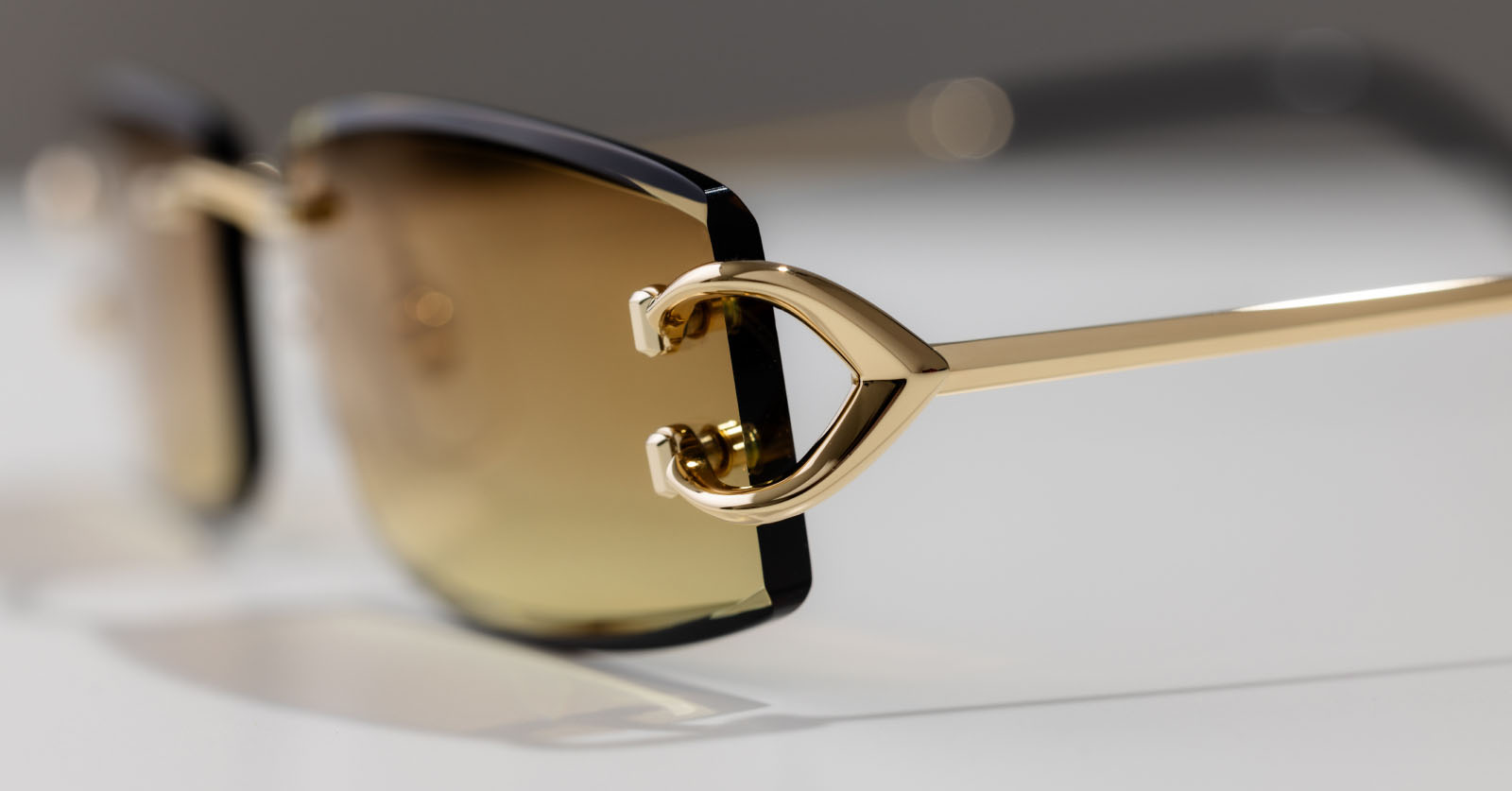


Your screen glasses may still look fine while no longer feeling right during everyday use. Scratched lenses, damaged coatings, an uncomfortable frame, or changes in your prescription can all affect how well they suit your routine.
There is no universal date for replacing screen glasses. The right time depends on their condition, your vision, comfort, and how you use screens each day. A pair that works well for occasional laptop use may not suit a new routine involving long hours at a desktop, laptop, or tablet.
If your vision has changed or you have persistent discomfort, replacing the glasses may not be the first step. An eye-care professional can help determine whether your prescription or another factor needs attention.
Screen glasses do not have one fixed replacement schedule. Some pairs can remain useful for years if the lenses stay clear, the frame fits properly, and your prescription or visual needs have not changed.
Replacement becomes worth considering when your glasses are damaged, uncomfortable, poorly fitted, or no longer suitable for your usual screen-viewing distance. Prescription changes can also mean your current pair is no longer appropriate.
Your screen habits matter too. Moving from occasional computer use to long daily sessions, changing from a desktop to a laptop, or adding another monitor can change what you need from your eyewear.
Key takeaway: Replace screen glasses based on their condition, comfort, prescription, and visual needs rather than simply replacing them because they have reached a certain age.
Several changes can indicate that your current pair is no longer serving you well. Some problems may be repairable, while others make replacing the glasses or lenses more practical.
Deep or widespread scratches can interfere with clear viewing and create distracting reflections, particularly when you're looking at bright screens. Marks across the central viewing area can be especially noticeable during reading or detailed computer work.
A few minor scratches may not affect your everyday use. However, if you find yourself looking around damaged areas, squinting, or adjusting your glasses to see clearly, replacement may be worth considering.
Trying to polish scratches away is generally not a reliable solution. It can further damage the lens surface, so badly scratched lenses are usually better assessed by an eyewear professional.
Anti-reflective coatings are designed to reduce reflections from the lens surface. Over time, the coating can become damaged through wear, improper cleaning, heat, or rough handling.
You may notice patchy areas, cloudy spots, peeling, unusual reflections, or increased glare. These changes can become more obvious when you're working under bright lights or looking at a screen.
Once a coating has significantly deteriorated, cleaning will not restore it. Depending on the condition of the lenses, replacing the lenses or the complete pair may be the more practical option.
Discomfort while wearing screen glasses does not always mean the glasses themselves are defective. Long screen sessions, poor lighting, an awkward screen position, and tired eyes can all contribute to discomfort.
Still, frequent headaches, eye strain, squinting, difficulty focusing, or trouble seeing clearly at your normal working distance deserve attention.
If these problems happen regularly while wearing your glasses, check the fit and consider whether your prescription still suits you. Persistent symptoms should be discussed with an eye-care professional rather than treated as a simple eyewear problem.
Prescription screen glasses may need replacement when your eyesight changes. Even a small prescription change can affect how clearly you see text, images, and objects around your normal working distance.
Signs that you may need a prescription check include blurry text, frequent squinting, headaches, difficulty focusing, or trouble switching focus between your screen and nearby surroundings.
Rather than ordering another pair using an old prescription, consider getting your eyes examined. This helps identify whether a new prescription is actually needed and whether another issue could be affecting your comfort.
The frame does more than hold the lenses. Its position affects how the lenses sit in front of your eyes, so a bent or poorly fitting frame can make otherwise usable glasses uncomfortable.
You may notice that the glasses slide down, sit unevenly, press against your ears, or require frequent adjustment throughout the day.
Replacement is not always necessary. A professional may be able to adjust or repair minor frame problems. If the frame is badly damaged or cannot maintain a comfortable fit, replacing it may make more sense.
Your screen glasses may have been suitable for the way you used screens when you first bought them. If your setup has changed significantly, your visual needs may have changed too.
For example, you might have switched from a desktop monitor to a laptop or started using several screens at different distances. You may also work closer to a screen than before.
If your glasses no longer feel comfortable at your usual working distance, consider reassessing them instead of assuming they have simply become old.
The lenses themselves do not necessarily stop working simply because they are old. Their usefulness can change because of scratches, coating damage, frame wear, or changes in your eyesight and daily routine.
It is also useful to separate lens features from the broader issue of digital eye comfort. Features such as blue-light filtering or anti-reflective coatings should not be treated as a guarantee against digital eye strain.
Comfort depends on several factors, including clear vision, glare, lighting, screen position, viewing distance, and how long you spend looking at a screen.
If your screen glasses still provide clear, comfortable vision and remain in good condition, age alone is not a strong reason to replace them.
Not every scratch means you immediately need new screen glasses. Small marks outside your main viewing area may be mostly cosmetic if they do not affect your vision or comfort.
The situation changes when scratches appear across the central viewing area or become noticeable against bright screens. Scratches can scatter light and make reflections more distracting, particularly during long periods of screen use.
Proper cleaning also matters. Dust and grit can create additional scratches when rubbed across the lens, so use suitable lens-cleaning materials rather than rough fabric or inappropriate household products.
A simple rule is useful: if scratches interfere with clear, comfortable screen viewing, replacement is worth considering.
Not necessarily. If your lenses remain clear, the coating is intact, your frame fits properly, and your prescription is still appropriate, you may not need a new pair.
However, clear vision is only one part of the decision. You should also consider whether your glasses remain comfortable and suitable for your current screen routine.
Replacement may be worth considering if your visual needs have changed, the prescription is outdated, the frame no longer fits, or the lenses have visible damage.
If you are comfortable and seeing clearly at your usual working distance, there may be no reason to replace a perfectly usable pair simply because it is older.
Screen glasses and regular prescription glasses can serve different visual needs. The right choice depends on the distances you need to see clearly and how you use your glasses throughout the day.
One pair may not always be ideal for every viewing distance. Someone who spends most of the day at a computer may have different needs from someone who primarily needs glasses for general daily activities.
If you regularly move between screens and other distances, discuss your visual requirements with an eye-care professional before deciding which type of eyewear is appropriate.
You can extend the useful life of your glasses with a few simple habits. Proper handling helps protect both the lenses and frame from avoidable damage.
Use a lens-safe cleaning solution and a clean microfiber cloth. Avoid abrasive materials, rough clothing, and household cleaners that may damage the lens surface or coatings.
Keep your glasses in a protective case whenever you are not wearing them. Avoid leaving them lens-down on a desk, table, or other hard surface.
Do not leave your glasses in places exposed to excessive heat for long periods. High temperatures can affect some lens coatings and frame materials.
Use both hands when putting on or removing your glasses. This helps reduce uneven pressure on the frame and can help maintain its shape.
Keys and other objects in a bag can scratch lenses or damage frames. A protective case provides a simple barrier between your glasses and the items you carry every day.
Before buying replacement glasses, first work out why your current pair no longer feels suitable. Otherwise, you may replace the glasses without solving the actual cause of your discomfort.
Consider when you last had an eye exam and whether your vision has changed. Think about your current screen distance, whether you use one or multiple screens, and how many hours you spend looking at them each day.
Your lighting and workstation matter too. If your screen is positioned poorly or your workspace has distracting glare, new glasses alone may not resolve the problem.
Also consider whether your current pair is prescription or non-prescription. This can help you decide whether you need an updated prescription, a different setup, or simply a replacement for damaged eyewear.
Some symptoms should not be treated as a simple sign that you need new glasses. Persistent blurry vision, frequent or worsening headaches, significant vision changes, double vision, or eye pain deserve professional attention.
Sudden changes in vision are particularly important and should be assessed promptly. Screen glasses cannot correct every cause of visual discomfort or changes in eyesight.
An eye exam can help determine whether your prescription needs updating or whether another eye-health concern could be responsible for your symptoms.
If you are unsure whether the problem is your glasses, your screen setup, or your vision, getting professional advice is safer than repeatedly replacing eyewear without knowing the cause.
Use this quick checklist to assess your current pair:
Text looks sharp at your normal screen distance.
Your lenses do not have distracting scratches.
The lens coating appears intact.
Your frames sit comfortably without constant adjustment.
You do not regularly squint to see your screen.
Your prescription is still appropriate.
Your screen setup has not significantly changed.
You can use your glasses comfortably without persistent visual symptoms.
If most of these points apply, there may be no immediate reason to replace your screen glasses. If several do not, it may be time to have your eyewear or vision assessed.
There is no universal timeline. Replace them when the lenses or frame are damaged, your prescription changes, the fit becomes uncomfortable, or they no longer suit your visual needs.
Look for deep scratches, damaged coatings, poor fit, persistent discomfort, or changes in your prescription and screen-viewing routine.
Screen glasses do not have a standard expiration date. Their usefulness can change as lenses and frames wear down or your prescription and visual needs change.
Scratches do not usually harm the eyes directly, but they can increase distracting reflections and make screen viewing less comfortable.
Not automatically. Headaches can have several causes, so persistent or worsening headaches should be assessed rather than assuming new glasses are the only solution.
It depends on whether the prescription remains appropriate and whether the glasses provide clear, comfortable vision at your normal working distance.
Age alone is not the best reason to replace screen glasses. What matters more is whether they continue to provide clear, comfortable vision and suit the way you use screens.
Four signals deserve particular attention: damaged lenses, worn coatings, poor fit or comfort, and changes in your prescription or screen-viewing needs.
If your glasses still work well, there may be no need to replace them. But if screen viewing has become consistently uncomfortable, your vision has changed, or your eyewear is visibly worn, it is worth reassessing your current pair.
For your next pair, focus on what your daily routine actually requires. Explore eyewear from Chashmay and choose an option that fits your vision needs, comfort, personal style, and everyday screen use.
 Subscribe For Exciting Deals and Offers