

You may have heard photosun glasses and transition glasses used for lenses that change with sunlight, but are they actually different? The confusion is understandable because both belong to the same broader family of light-responsive eyewear.
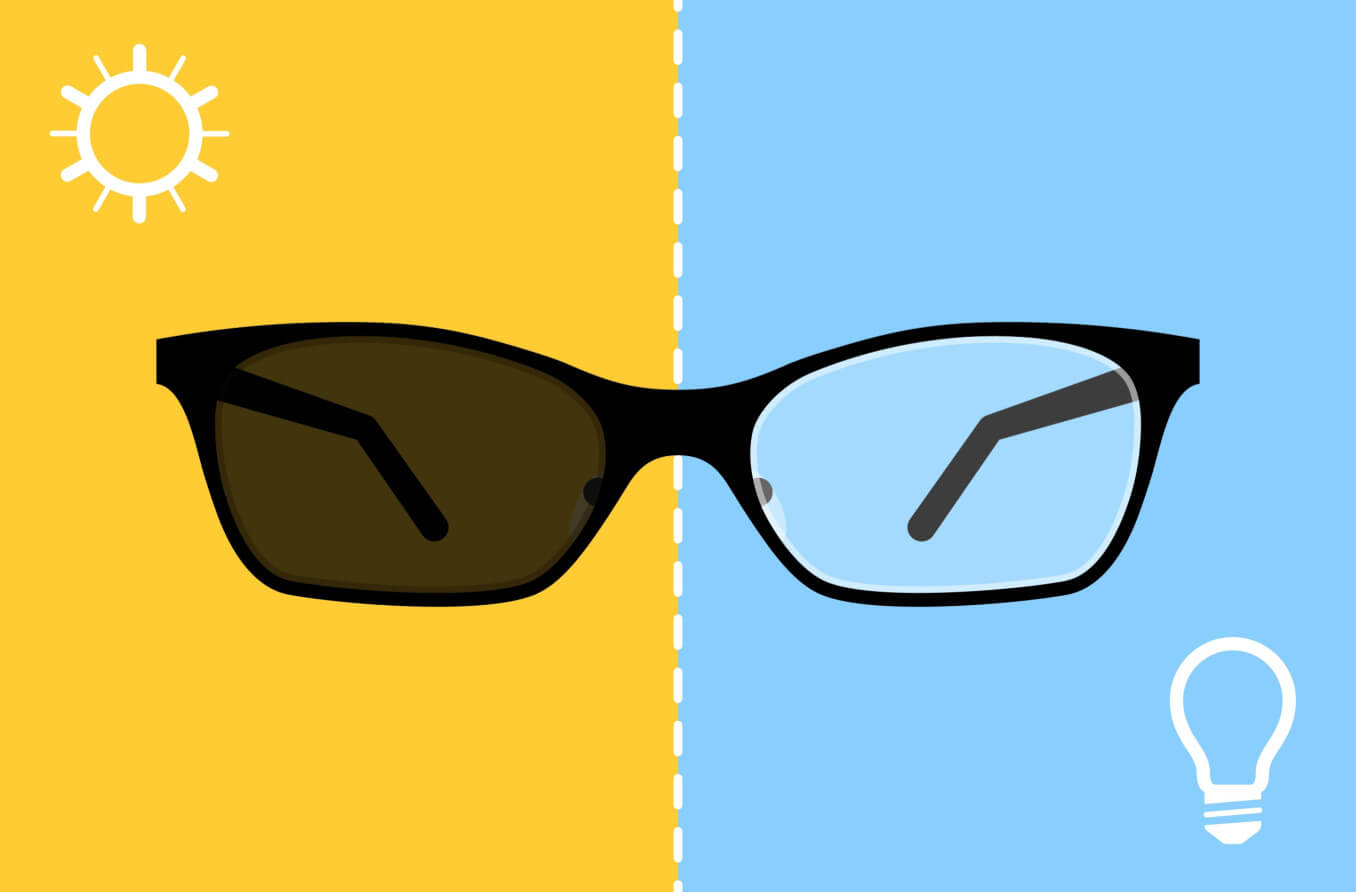
The basic idea is simple: these lenses can become darker when exposed to light and return toward a clearer state as lighting changes. They can reduce the need to switch between ordinary glasses and sunglasses during daily activities.
The bigger difference usually comes from the lens brand, technology, formulation, and specific version rather than the basic purpose. Photochromic glasses is the broader term for lenses designed to change their tint according to surrounding light conditions.
So, if you're comparing transition glasses Pakistan shoppers can find with Photosun options, don't judge them by the name alone. Understanding how each lens works, where it performs best, and what you actually need makes the choice much easier.
Photochromic glasses use lenses that respond to light by changing their tint. They generally stay clearer indoors and become darker outdoors when exposed to suitable light conditions. This makes them useful for people who regularly move between indoor and outdoor environments.
The term “photochromic” describes the technology, while names such as Photosun or Transitions can identify particular lens technologies or brands. So, these names shouldn't automatically be treated as completely separate types of eyewear.
Photosun glasses generally refer to photochromic lens technology that changes shade in response to light. For example, Photosun+ documentation describes lenses that become darker outdoors and return toward a clearer state indoors.
Because Photosun is used as a specific lens name, its exact features can vary according to the particular lens version. Some versions may include additional treatments or technologies, so checking the actual lens description matters before buying.
Transition glasses commonly refers to eyewear fitted with Transitions photochromic lens technology. Transitions describes its lenses as light-responsive lenses, while photochromic remains the broader category describing this type of lens.
This means “Transitions” and “photochromic” aren't necessarily competing concepts. One can describe a specific lens brand or technology, while the other describes the lens's light-responsive function.
The easiest way to understand the difference is to separate the shared function from the technology behind each lens. Both can respond to changing light, but their exact performance depends on the specific lens technology and version.
Photosun and Transitions are names associated with photochromic lens technologies. The underlying goal is similar, but manufacturers can use different formulations and designs to control how lenses react to light.
That difference can affect factors such as darkening behaviour, fading speed, colour, and performance in particular environments. Therefore, comparing the exact lens version is more useful than comparing names alone.
Photochromic lenses are designed to react when lighting conditions change, but the response isn't necessarily identical across every lens. Temperature, light exposure, and the lens formulation can influence how quickly the shade changes.
Photosun+ documentation, for example, provides specific response times for its own technology and notes that temperature and UV levels can affect performance. That shows why general claims shouldn't be applied to every photochromic lens.
Both types are intended to make changing light easier to manage without constantly changing eyewear. They can remain relatively clear indoors and become darker in suitable outdoor conditions.
However, the actual experience depends on the lens technology and environment. If your routine includes frequent driving, indoor work, or long outdoor periods, ask about the exact lens behaviour before choosing.
They can serve a very similar purpose, but the names don't necessarily mean the lenses are identical. Both can fall under the wider category of photochromic eyewear, while the specific technology determines how each lens behaves.
Think of “photochromic” as the category and Photosun or Transitions as names used for particular lens technologies. This distinction helps explain why two light-changing lenses may offer different experiences even though they perform the same basic job.
There isn't one universal answer because darkening depends on the exact lens technology, light conditions, temperature, and version. A particular Photosun lens and a particular Transitions lens may respond differently.
For that reason, don't choose based only on statements such as “darker” or “faster.” Ask what the specific lens is designed to do and whether that behaviour matches your normal routine.
This is an important question for drivers because photochromic lenses respond primarily to the light conditions they are designed to detect. Vehicle glass can change the amount of UV light reaching the lenses, which may affect how some photochromic lenses react.
If driving is a major part of your day, tell your optician before choosing. The right option depends on the specific lens technology rather than simply whether the lens is labelled Photosun or Transitions.
Pakistan has plenty of bright outdoor conditions, so light-responsive eyewear can be practical for people who regularly move between buildings, streets, vehicles, and other environments. Still, local weather alone shouldn't determine your lens choice.
Your routine matters just as much. Someone working indoors most of the day has different needs from someone who spends several hours outdoors, drives regularly, or moves between changing light throughout the day.
Photochromic eyewear can make sense for people who dislike carrying separate glasses for different lighting situations. The biggest advantage is convenience, especially when your day naturally moves between indoor and outdoor settings.
Before choosing, think about how often you change environments, how much time you spend outside, and whether you need prescription correction. Those simple questions can narrow down the most suitable lens type.
For example:
A student moving between classrooms and outdoor areas may value convenience.
An office worker who commutes daily may prefer fewer eyewear changes.
Someone who spends most of the day outdoors may need to compare lens behaviour more carefully.
Choosing between them should start with your routine rather than the name printed on the lens. Both can provide light-responsive eyewear, but the details of each lens version can change the experience.
A practical comparison starts with these questions:
How quickly does the lens respond to changing light?
How dark does the specific version become?
How clear does it become indoors?
Does the lens suit your prescription?
Will you mainly use it indoors, outdoors, or while commuting?
Are additional lens treatments important for your routine?
A lens can sound impressive on paper and still be the wrong match for your daily habits. Looking beyond the name helps you understand what you're actually paying for and whether the lens fits your prescription, lifestyle, and expectations.
Before placing an order, check:
Lens technology: Confirm whether you're choosing Photosun, Transitions, or another photochromic option.
Prescription: Make sure the lens can be made for your required prescription.
Light response: Ask how the specific lens behaves indoors and outdoors.
Driving needs: Mention regular driving because vehicle conditions can affect photochromic performance.
Additional features: Check whether you need other lens treatments for your routine.
Frame fit: A suitable lens still needs a frame that feels comfortable and fits properly.
Yes, photochromic eyewear can be used as everyday glasses when the lens and frame suit your prescription and routine. Their purpose is to make changing light easier without requiring constant eyewear changes.
However, they shouldn't be treated as automatically perfect for everyone. If you spend most of your time in one lighting environment, a conventional lens may suit your habits better.
Photochromic lenses can be considered for children who need prescription eyewear, but the decision should focus on the child's prescription, daily activities, comfort, and ability to care for glasses properly.
Parents should also consider how often the child moves between indoor and outdoor spaces. An optician can help determine whether a light-responsive lens makes practical sense for the child's routine.
Yes. Photochromic lens technology isn't limited by gender. Men and women can choose it based on prescription needs, daily routine, comfort, and personal style.
The same applies to frame selection. Your lens technology and your frame style solve different needs, so you can choose a light-responsive lens without giving up the look you want.
They can reduce the need to switch eyewear in many everyday situations, but they shouldn't automatically be considered a complete replacement for every type of sunglasses.
Your needs depend on how much time you spend outdoors, your sensitivity to bright light, driving habits, and the specific lens technology. If strong outdoor protection is a priority, discuss those requirements before buying.
For someone who frequently moves between different lighting conditions, the convenience can make photochromic eyewear a practical everyday choice. You don't have to think about carrying another pair every time you leave home.
For someone who rarely goes outdoors, the benefit may be less noticeable. The better question isn't simply whether transition glasses are worth it, but whether their light-changing function matches your daily life.
Choosing eyewear becomes easier when you can compare different categories instead of guessing from a product name. Chashmay offers eyeglasses and sunglasses online in Pakistan, including transition eyewear alongside other everyday eyewear options.
You can explore the Transition Eyeglasses collection while considering your prescription, routine, preferred frame style, and lighting needs. Keeping those factors together helps you choose eyewear for your actual life rather than simply following a label.
Are Photosun glasses photochromic?
Yes, Photosun is associated with photochromic lens technology. The lenses respond to changing light conditions, although exact performance can differ between specific Photosun versions.
Are Transitions and photochromic glasses the same?
Transitions lenses are a type of photochromic lens technology. “Photochromic” describes the light-responsive function, while Transitions refers to a specific lens technology or brand.
Which is better, Photosun or Transitions?
There isn't one answer for everyone. Compare the specific lens version, light response, intended use, prescription compatibility, and features against your daily routine before choosing.
Can transition glasses be used every day?
Yes. They can be used as everyday prescription eyewear when the lens and frame suit your needs, particularly if you regularly move between indoor and outdoor environments.
Do photochromic glasses become dark indoors?
They are generally designed to stay clearer indoors and become darker when exposed to suitable light. The exact result depends on the lens technology, lighting, and surrounding conditions.
Photosun and Transitions belong to the wider world of photochromic glasses, so their basic purpose can be very similar. The real difference comes from the specific lens technology, formulation, response, and features offered by each option.
At Chashmay, choosing eyewear can be about more than finding a frame that looks good. With options for everyday eyeglasses and transition eyewear, you can explore choices that fit your prescription, routine, and personal style.
Your glasses stay with you through work, travel, commutes, conversations, and ordinary moments that make up your day. Choose something that feels right for those moments. Explore Chashmay, find your fit, and make every change in light a little easier.
 Subscribe For Exciting Deals and Offers